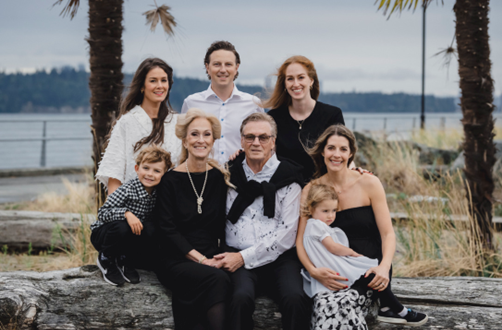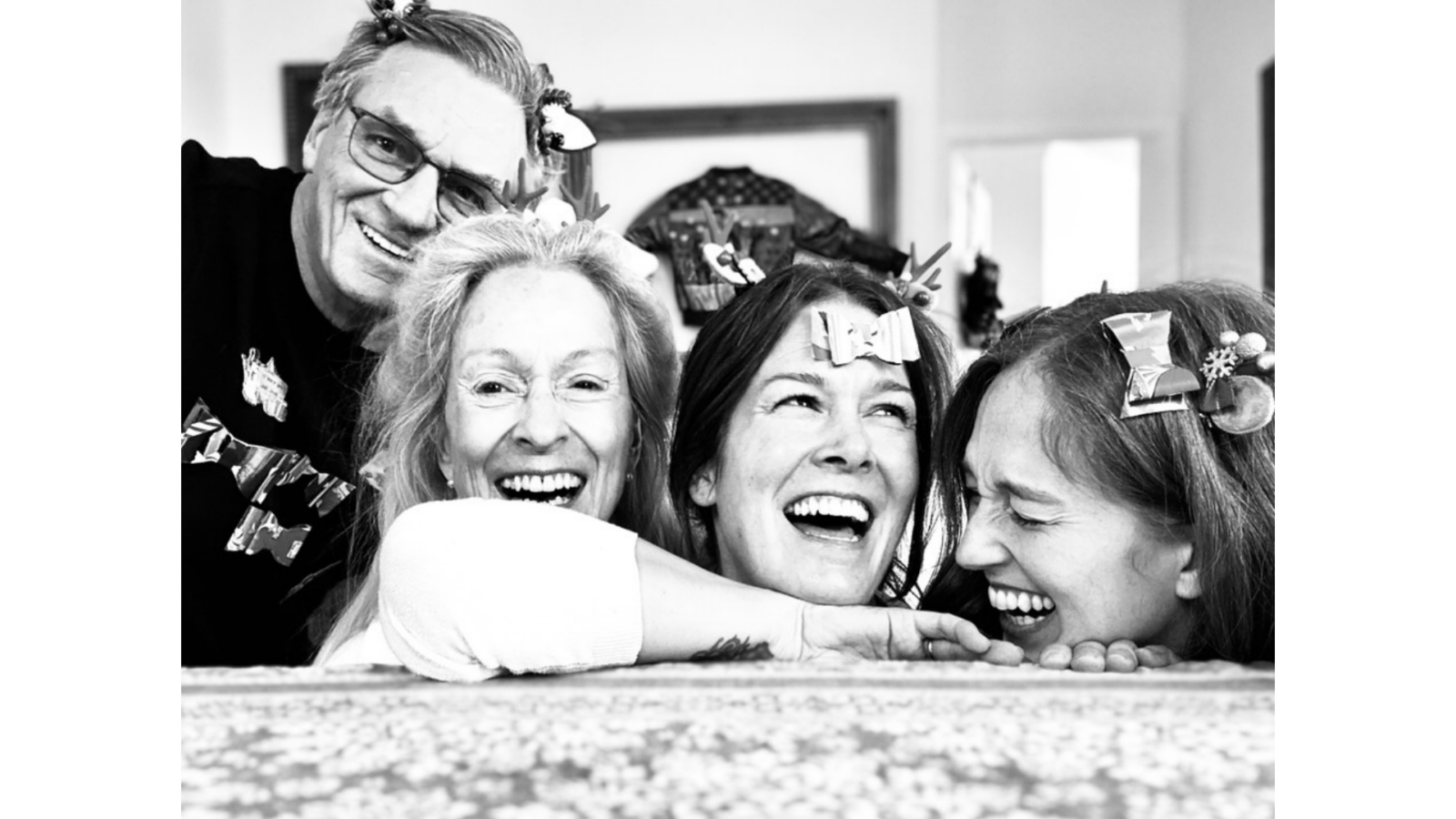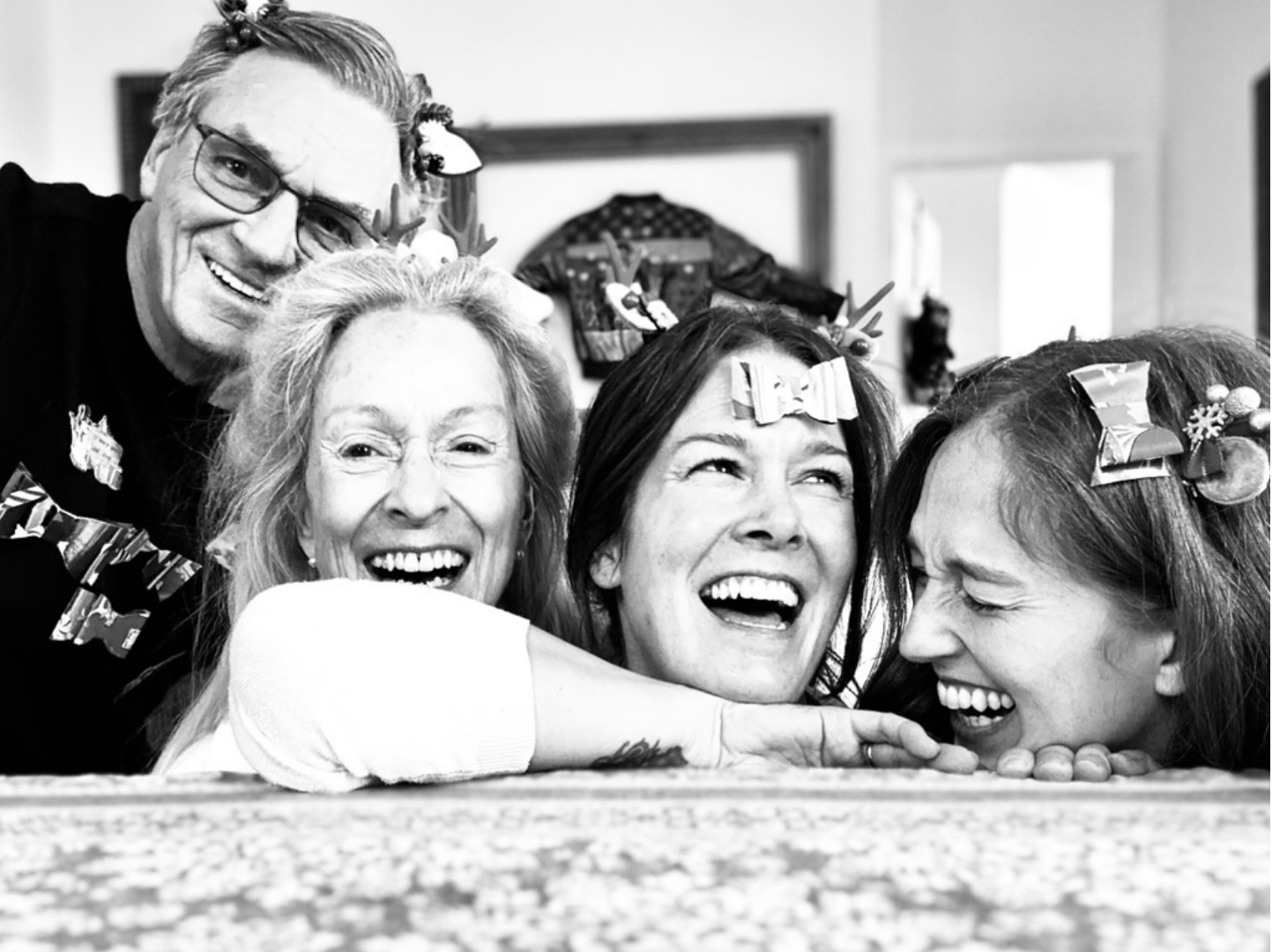
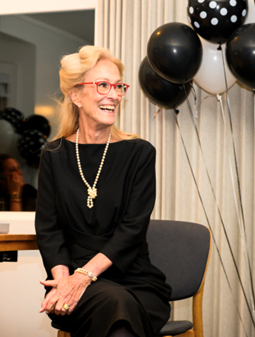
This #WorldLungCancerDay, we’re honoured to share Jan’s story. Her journey is one of resilience, courage, and hope, reminding us that behind every diagnosis is a person with a unique experience. By sharing her voice, we hope to raise awareness, reduce stigma, and let others facing lung cancer know they are not alone. Jan Pezarro is a retired marketing executive, author, speaker, advocate, wife, mother, friend, and a three-time cancer survivor.
Can you share a bit about your journey with lung cancer—from diagnosis to treatment and recovery?
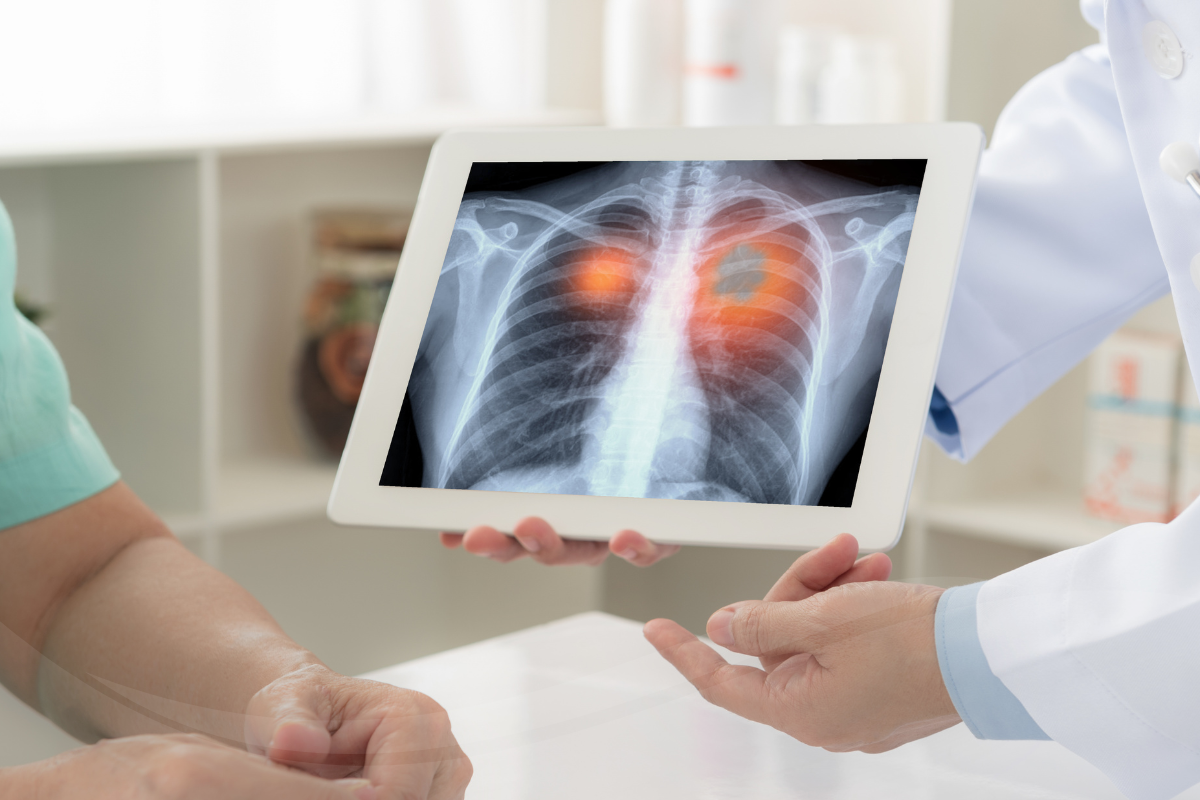
I still remember hearing the words that changed everything. An incidental scan revealed a suspicious spot on my lung, and suddenly my life divided into before and after. What followed wasn’t one battle with lung cancer, but three.
Since my first diagnosis in 2016, I’ve been treated for three separate early-stage non-small cell adenocarcinomas. The first was eliminated with a right upper lobectomy in 2017, the second was obliterated with stereotactic ablative radiation (SABR) in 2021, and the third was eradicated with a left lower lobe segmentectomy in 2022.
Ten years after I started this journey, I remain reliant on CT surveillance to ensure any new cancer will be found when treatable. Today, I view my cancer as a chronic condition.
What were some of the biggest challenges you faced, both physically and emotionally, during your experience?
The hardest part wasn’t the surgery or the radiation. It was the uncertainty.
Fear has a remarkable ability to hijack clear thinking. Just when you’re expected to absorb unfamiliar medical language and make life-changing decisions, your mind is consumed by a single question: Am I going to die?
With each diagnosis, I feared this would be the tumour that escaped the lung and spread throughout my body. That possibility hovered over everything.
Cancer also forced me to rethink who I was. My career, which had once given me purpose and identity, suddenly felt insignificant. I realized I needed something larger than survival to carry me forward. Advocacy, writing, and helping other patients eventually became that purpose.
What role did your support system—family, friends, or care team—play in your recovery?
I couldn’t have done this alone.
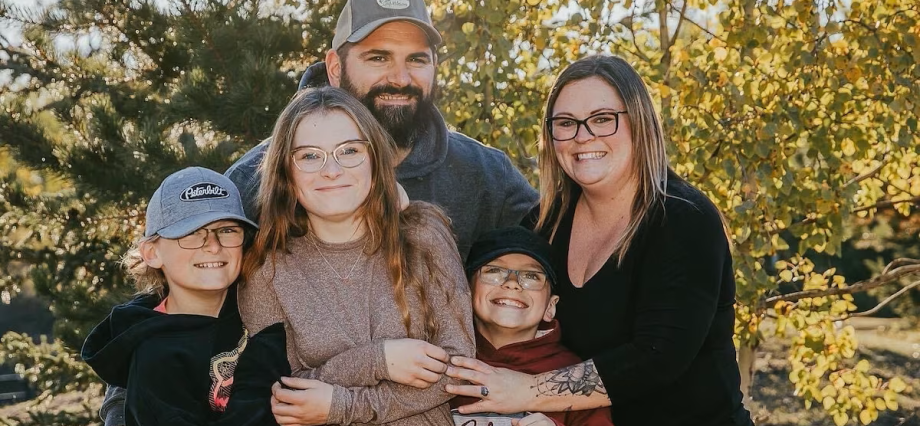
My husband was my emotional anchor. He came to appointments, asked questions I hadn’t thought to ask, and quietly carried the weight of his own fears while helping me manage mine. My children surrounded me with love, encouragement, and an unwavering determination to see me through each diagnosis. They reminded me that I wasn’t fighting only for myself—I was fighting for all the years we still had to share.
My medical team brought extraordinary skill and compassion. They never treated me as just another patient. They treated me as a person whose future mattered.
My friends leaned in with hospital visits, phone calls, and simple acts of kindness. They were the final strand in my web of care.
Is there anything you wish more people understood about lung cancer or the people affected by it?
Three things.
First, lung cancer is no longer the fatal diagnosis it once was. When it’s found early, it can often be cured. Today, early-stage lung cancer has survival rates approaching 80 percent at ten years. I’m living proof that early detection saves lives.
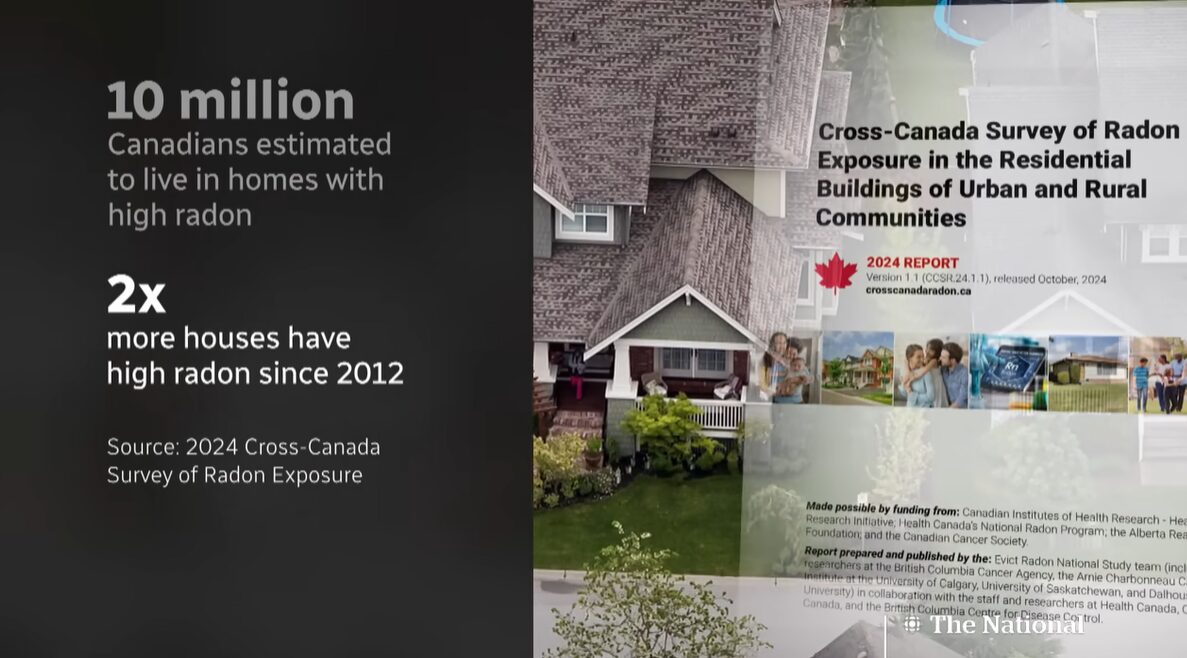
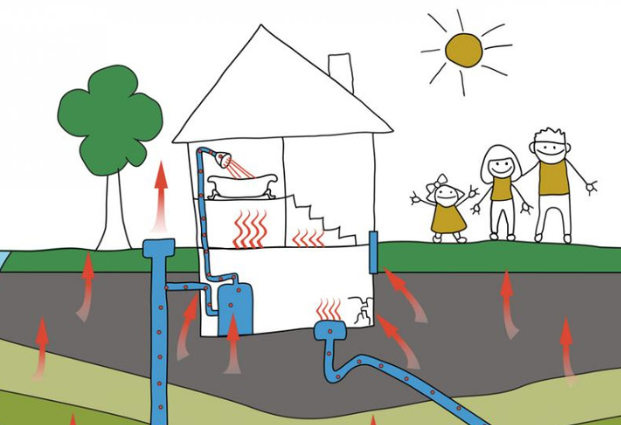
Second, anyone with lungs can develop lung cancer. Smoking remains the greatest risk factor, but it’s far from the only one. Radon, air pollution, wildfire smoke, occupational exposures, and inherited genetic mutations all contribute. That’s why we need broader access to low-dose CT screening. Just as we routinely screen for breast and colorectal cancer, we should be finding lung cancer before symptoms appear.
Finally, we need to end the stigma surrounding this disease. Lung cancer is the only cancer burdened with a presumption of blame. This impacts all lung cancer patients regardless of the cause of their illness.
What message or advice would you give to someone who has just been diagnosed?
A lung cancer diagnosis is frightening, but it is not a single disease with a single outcome. Treatments have advanced dramatically, and there is real reason for hope.
Learn as much as you can about your specific cancer. Is it small cell or non-small cell? What stage is it? Don’t be afraid to ask your doctors to explain unfamiliar terms or to look them up afterward. Understanding what’s happening gives you back a measure of control.
Never go to an appointment alone. Bring someone you trust to take notes or record the conversation. There is simply too much information to absorb when you’re under stress.
Lean on the people who love you. There is no shame in having cancer, and you don’t have to carry it by yourself. Join a support group–no one understands the experience quite like another patient. Finally, ask whether your tumour can be tested for biomarkers. This information can open the door to targeted therapies or immunotherapies that didn’t exist a decade ago. Lung cancer treatment is changing rapidly, and every patient deserves access to the most effective options available.